
Amplifying human potential with AI.
One or two people are all-in on AI. Everyone else is overwhelmed, cynical, or (secretly) worried about their job. All are valid and that's just reality
Free. Result on the spot, no email needed.
Nobody's using AI yet.One team, shared context
Sound familiar?
This is the same list we open a workshop with. Most teams recognise at least three.
- One person uses AI daily. The rest, not since the trial.
- The good stuff lives in one person's chat history.
- Nobody has mapped your team's strengths, so AI is a guess.
- Someone's worried about their job and hasn't said so.
None of it is an AI problem.
It's a shared-context problem, which is the good news, honestly. It's the one thing we actually do.
A human team with two AI users in it
Two people flying. Six working the way they always have. Nothing shared, so the gains stay where they landed.
A human and AI team
Same eight people, same strengths, each one paired with AI on the work that isn't theirs to do. One team brain.
Left alone this goes one of two ways: the gains stay locked in one person, or AI gets pointed at the work that made you good.
How AI native is your team, really?
So where does your team actually sit? Five questions, and you'll see your stage and the one thing worth doing next, before you give us anything.
Your result shows up here
Answer all five and you'll get your stage, what it usually costs a team like yours, and the next step we'd actually recommend.
The parts of the job AI can't take off you
MIT Sloan researchers mapped where AI can't match humans: limited or biased data, extrapolating beyond what it can access, and moral dilemmas. What's left is five human capabilities. We identify them in your team, then build the AI around them.
(Decisions & ethics)The hard calls and morally ambiguous takes that have no right answer.In your team: who decides when it's grey.
(Vision & leadership)Vision people will follow, something worth moving towards. Something that motivates us.In your team: who lifts or leads the room.
Your 360 feedback shows where these already exist in your team, so AI gets given the admin, not at the five things that make you good.
You and your most senior operator, in the room together.
That mapping is what the session does. Five to seven companies, profiles done beforehand, so the time together is for comparison and decisions, not setup.
- 01
How we run SeenCulture with AI
Shown, not described. Where AI takes the load, and where a human still decides.
You leave with: a working picture of what good adoption looks like.
- 02
Your team's real shape
Your profiles and team map, side by side with your operator. De-identified, so the feedback is honest.
You leave with: a map of the human strengths you already have.
- 03
The plan, built around it
What stays human, what moves to AI, who leads what.
You leave with: one page your team can start on Monday, and ten team seats for 30 days.
You can't route work to strengths you can't see.
SeenCulture is how we find them. Six things worth understanding: tap through.
Everyone's answers are de-identified and combined, so the feedback is honest and nobody is exposed.
What a Seen Profile actually is
It starts as an AI guess from public data, then becomes real when the people who work with someone weigh in. Two stages, side by side.
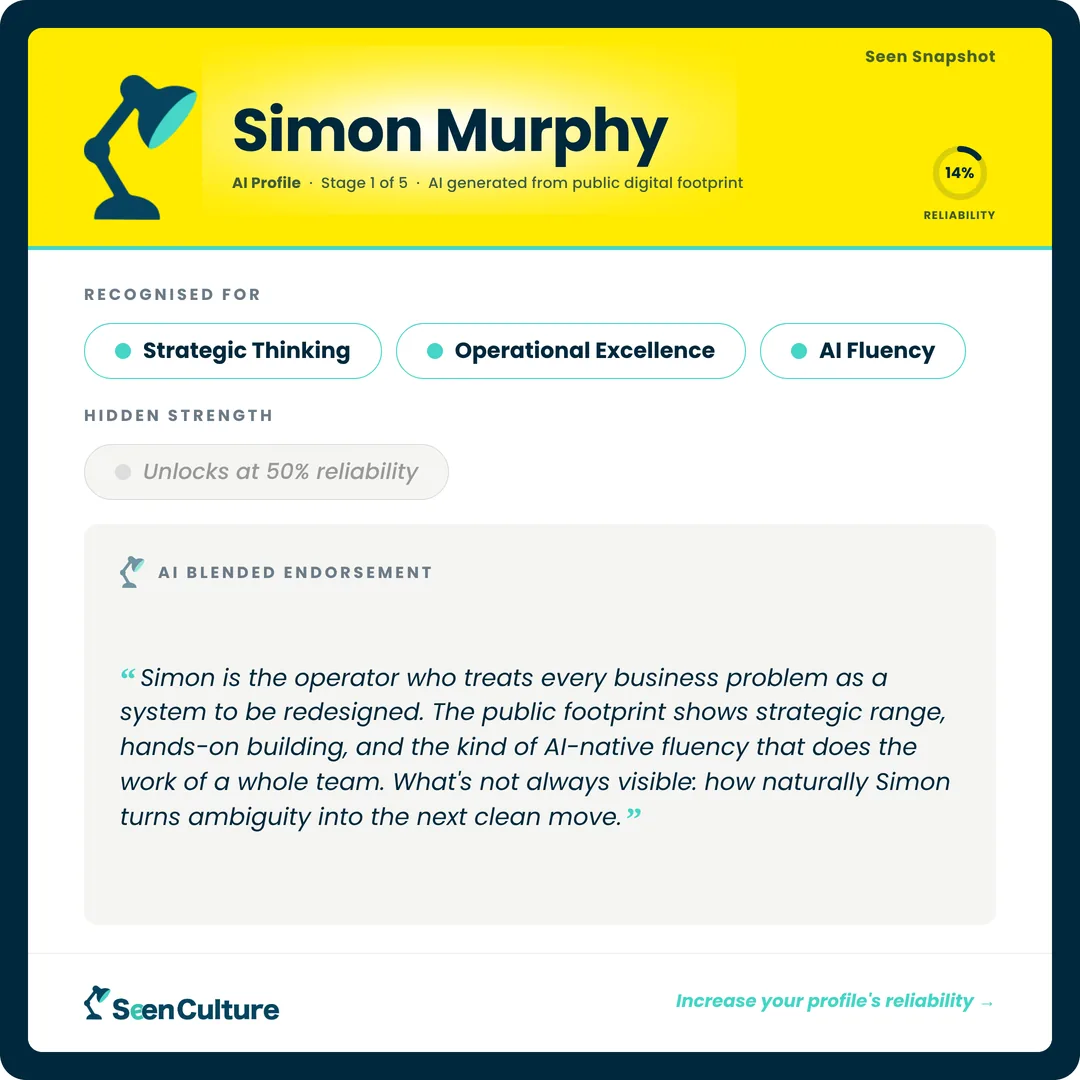
A Snapshot is AI-generated from someone's public digital footprint: no human input at all. Useful, and openly a guess: Simon's sits at 14% reliability with his Hidden Strength still locked.
A Seen Profile is the same page after the people who actually work with someone weigh in (de-identified and combined, so it's honest). Recognised-for strengths, growth areas, self-versus-seen gaps, and the Hidden Strength unlocked.
Nikki's is a full Seen Profile, and it's public: every strength and every gap.
See Nikki's full Seen Profile →What we're standing on
Fair question at this point. We'd rather show you the evidence than the logos we don't have yet.
The five capabilities we build around come from MIT Sloan's EPOCH framework, not from us.
Nikki's own Seen Profile is public. Every strength and every gap.
See a real Seen Profile →Four people, the output of a bigger team. The operating plan we teach is the one we use.
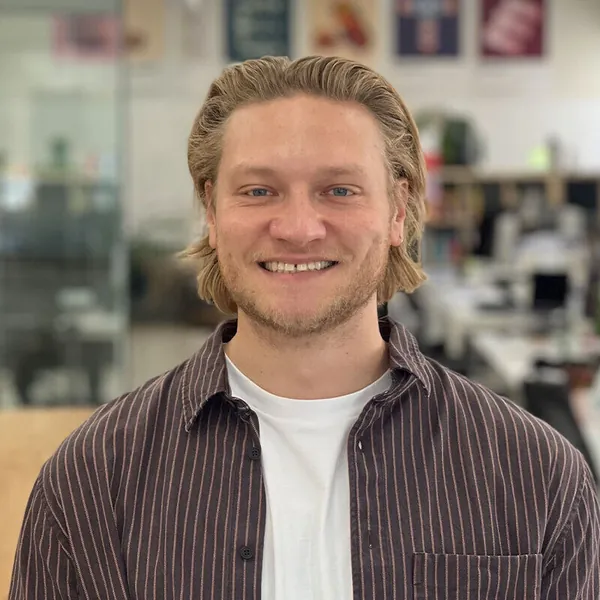
Tom Lowe
Head of Marketing, Thirst Creative
“Within two days of the first workshop we'd already started streamlining our meetings and I'd built my first custom Claude skills to automate workflows.”
Nikki has been instrumental in mapping out my team's AI adoption strategy with real use cases and easy-to-follow frameworks. I've since forecasted about 20% operating cost savings, which we'll put straight back into improving my team's output quality.
Run by people who run companies this way.
Not a consultancy that read about it, and not engineers who forget there are people in the equation. Two hands-on operators who still do the thinking themselves. No technical jargon, guaranteed.
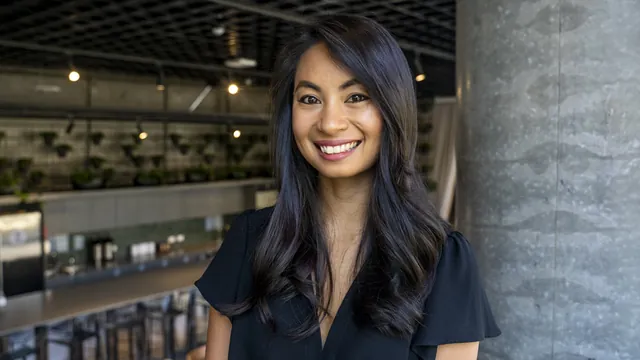
Nikki founded SeenCulture in 2022 and runs it as an AI native company today: a small team, shared context, AI drafting the work and humans making the calls. Her career before this was in learning and development, which is why the sessions are built around how people actually change, not how tools are demoed.
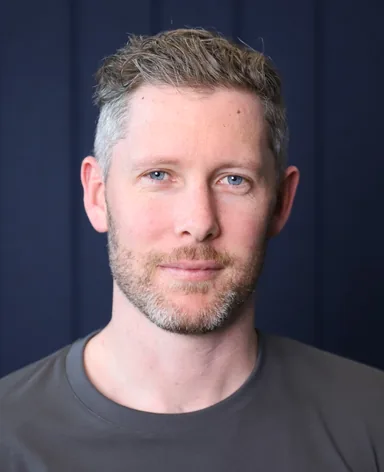
Simon has made AI work for teams in places that move fast. As AI and Startups Specialist at the Melbourne Entrepreneurial Centre, he helps early-stage companies build AI native from day one and teaches AI to founders and their teams. His focus is the practical middle ground: real gains without leaving anyone behind.
Want your result and our read on it? Leave us your details.
Take the 3-minute check above, then drop your details here. We'll send your result with what we'd suggest for a team like yours. No obligation.
Nikki reads every one of these herself